Essences/Choices
Choose from a variety of wood types for your floor, from refined oak and warm walnut to elegant maple and durable teak. Each of our woods has its own unique character, so find the perfect one for your home.
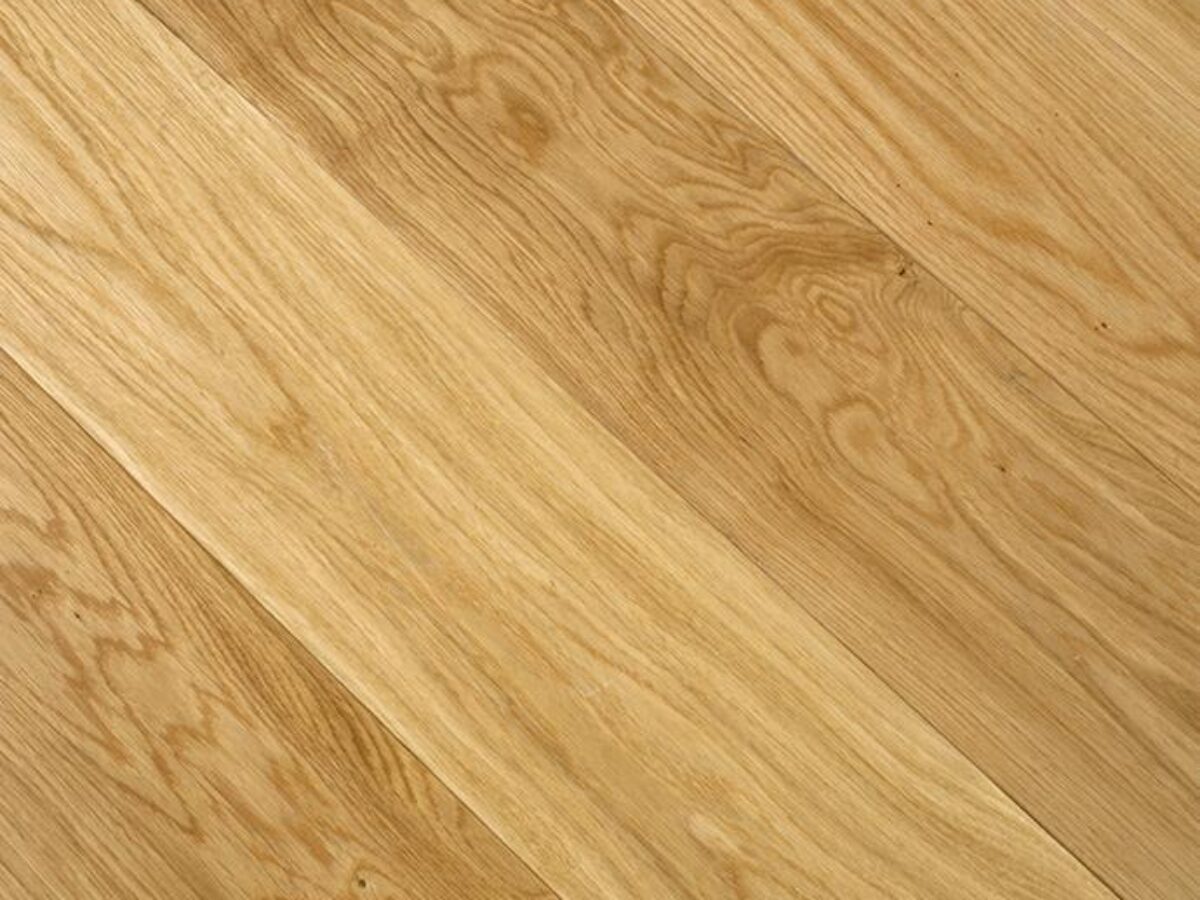

Oak SN (without knots)
European Standard UNI EN 13489 choice
Characteristics
Pleasant to the touch, it is a wood with quarter sawn, rift, semi flat, flat grain with light variations of yellow-brown color in the grain (amber shades), there are medullary rays (mirroring). In this version the boards have knots up to a maximum of 3 mm in diameter.
Geographical area
Central and Western Europe, grows on hill and mountain slopes
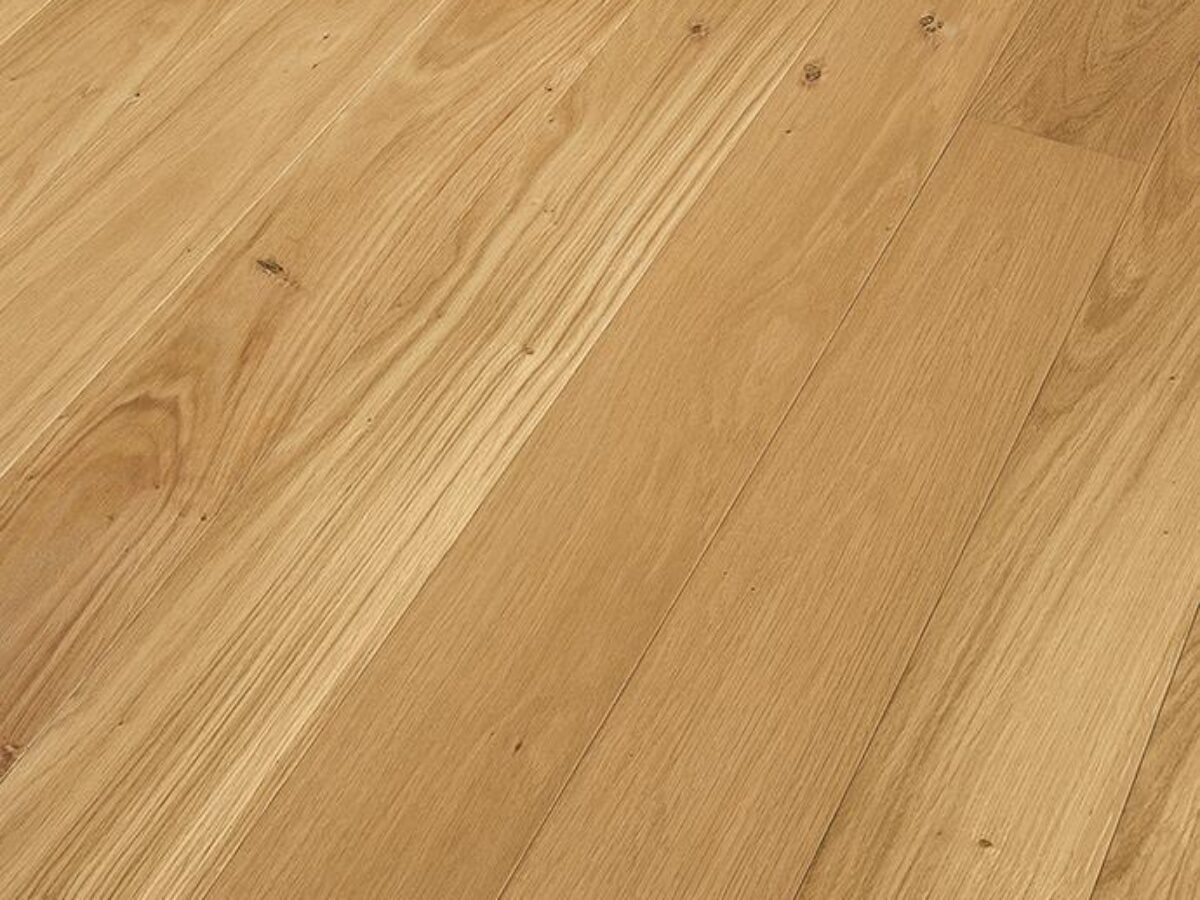
Oak CN (with knots)
European Standard UNI EN 13489 choice
Characteristics
Pleasant to the touch, it is a wood with quarter sawn, rift, semi flat, flat grain with marked yellow-brown colour variations in the grain (strongly amber shades), there are medullary rays (mirroring) and knots up to a maximum of 8 mm in diameter.
Geographical area
Widespread throughout Central and Western Europe, the oak grows on hill and mountain slopes.
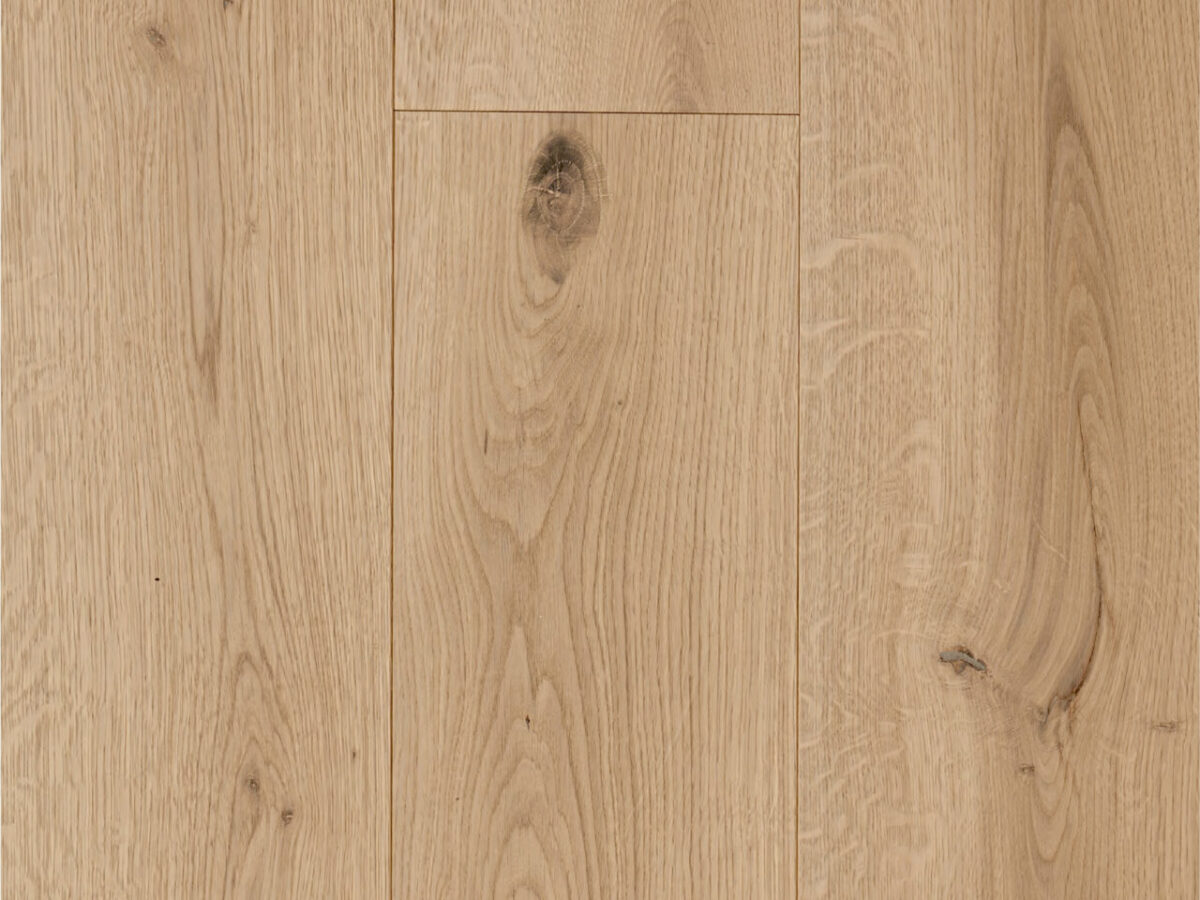
Oak RU (rustic)
European Standard UNI EN 13489 choice
Characteristics
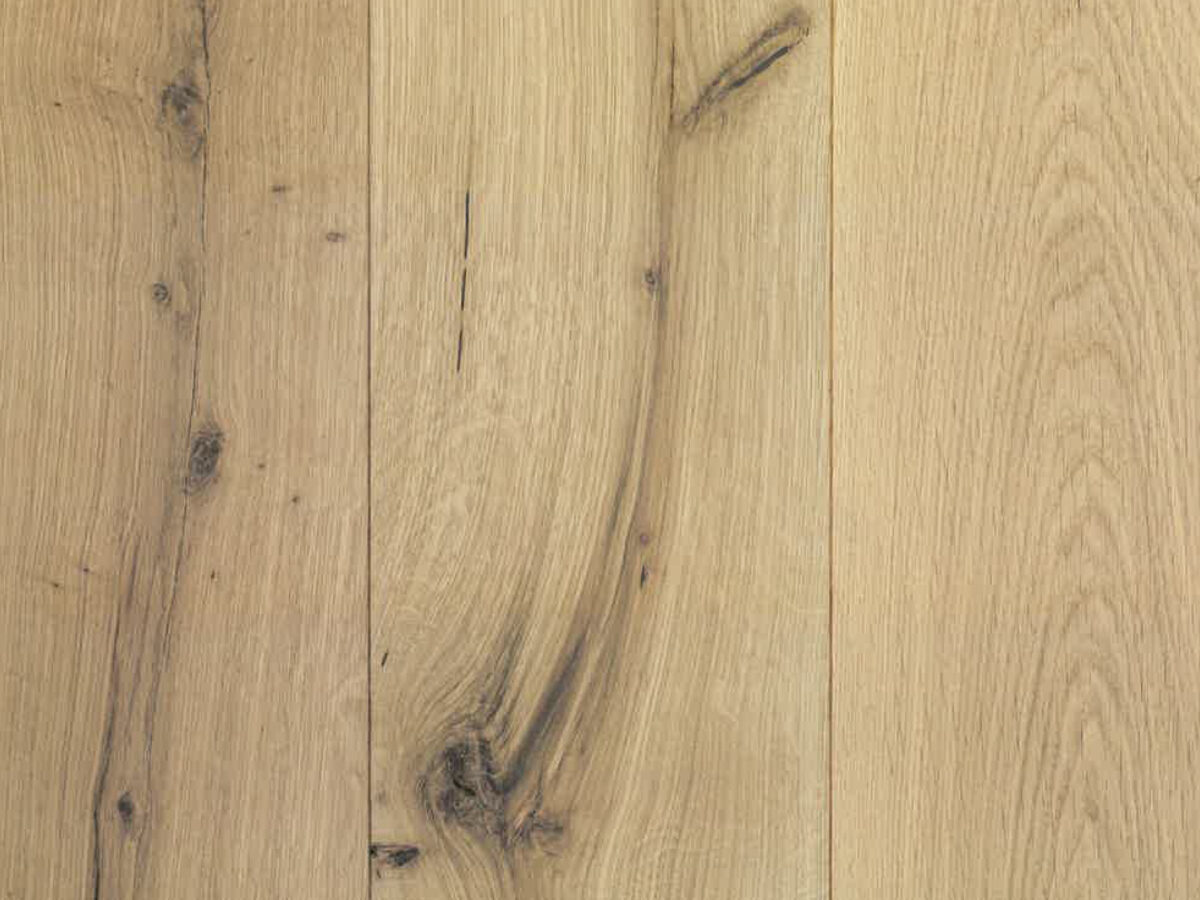
In the rustic selection, oak has a striped and flamed grain with colour variations and amber shades without limitations. There are medullary rays (mirroring), knots of various sizes, even large ones, and the presence of visible sapwood is possible.
Tavolati Oak (free)
European Standard UNI EN 13489 free choice
Characteristics
In the rustic selection, oak has a striped and flamed grain with colour variations and amber shades without limitations. There are medullary rays (mirroring), knots of various sizes, even large ones, and the presence of visible sapwood is possible, knots that are completely missing and filled, cracks and micro-cracks that have been filled.
Ambra Thermal Oak
European regulation UNI EN 13489
Characteristics
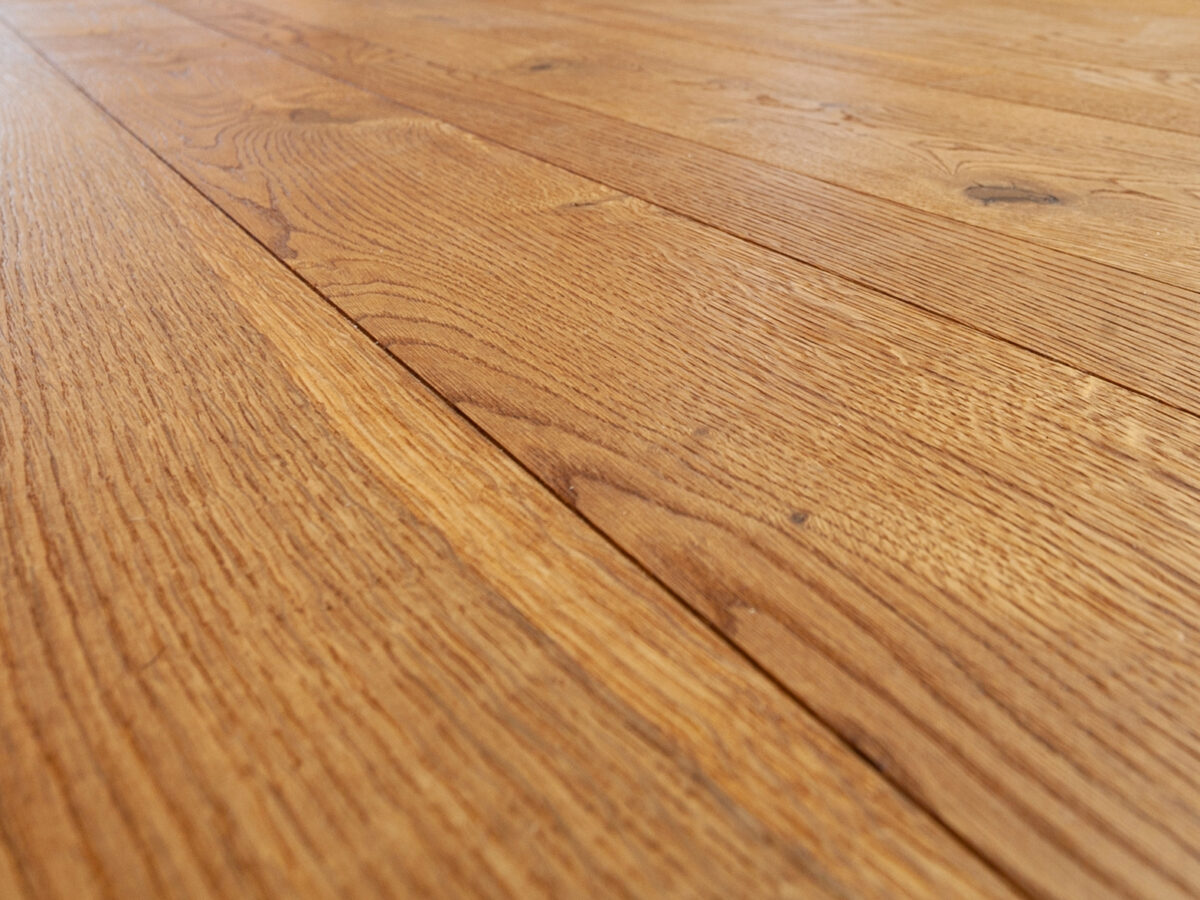
Thermal Oak has all the characteristics of Oak, but thanks to a revolutionary dry cooking technology, the wood takes on a natural amber color, without any use of chemical or dangerous products such as ammonia. Furthermore, the treatment allows the wood to be more stable, less susceptible to attack by humidity. It undergoes few color variations due to exposure to light, lightening.
Oro Thermal Oak
European regulation UNI EN 13489
Characteristics
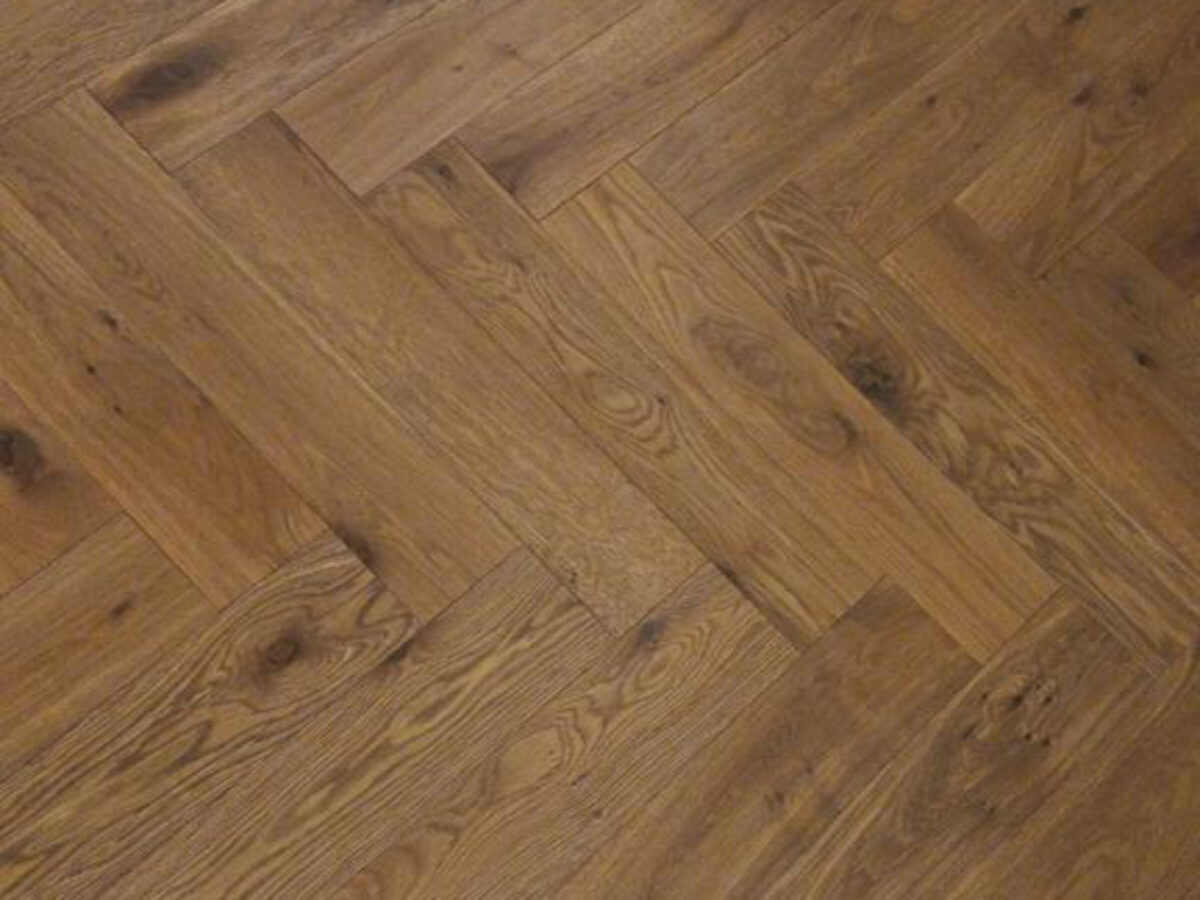
Thermal Oak has all the characteristics of Oak, but thanks to a revolutionary dry cooking technology, the wood takes on a natural modestly dark color, without any use of chemical or dangerous products such as ammonia. Furthermore, the treatment allows the wood to be more stable, less susceptible to humidity. It undergoes modest color variations due to exposure to light, lightening.
Blond Thermal Oak
European regulation UNI EN 13489
Characteristics
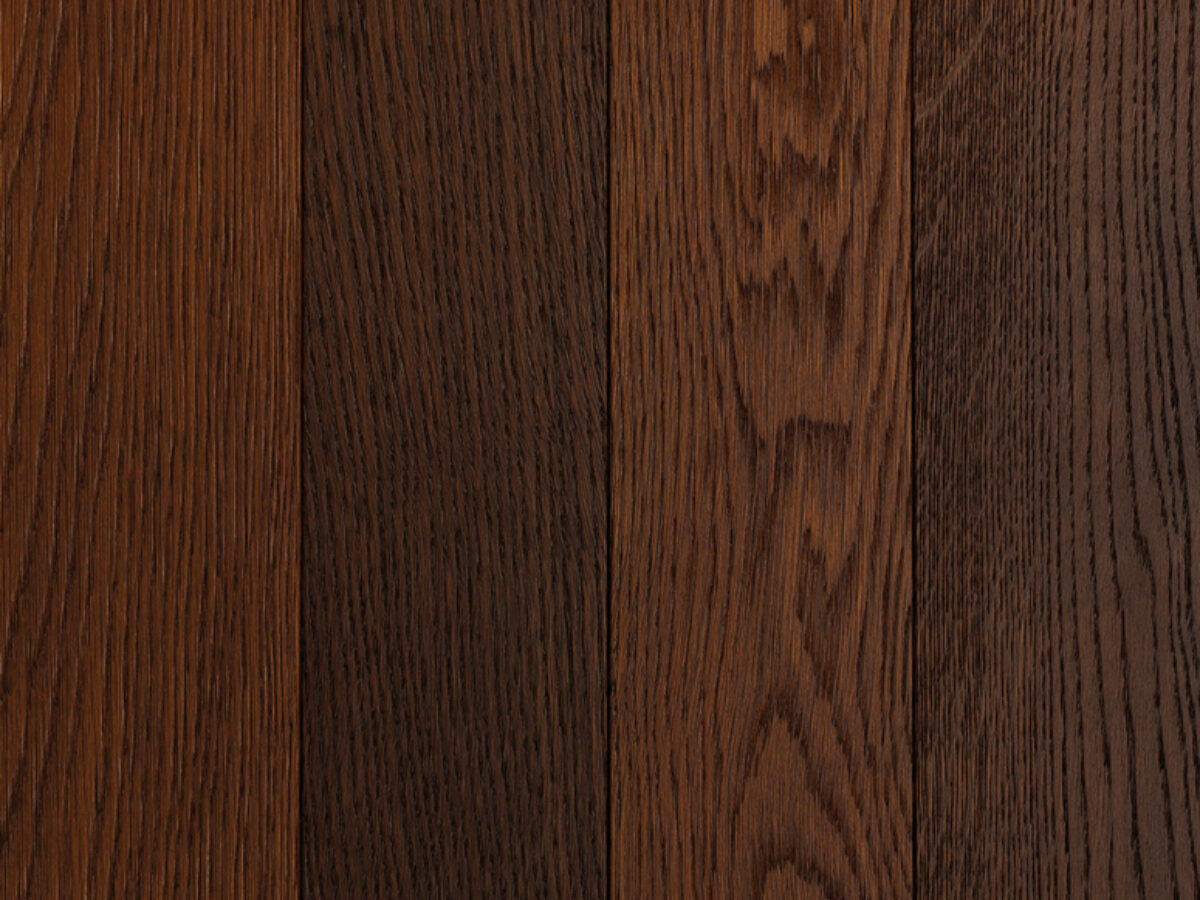
Thermal Oak has all the characteristics of Oak, but thanks to a revolutionary dry cooking technology, the wood takes on a natural very dark color, without any use of chemical or dangerous products such as ammonia. Furthermore, the treatment allows the wood to be more stable, less susceptible to humidity. It undergoes significant color variations due to exposure to light, lightening.
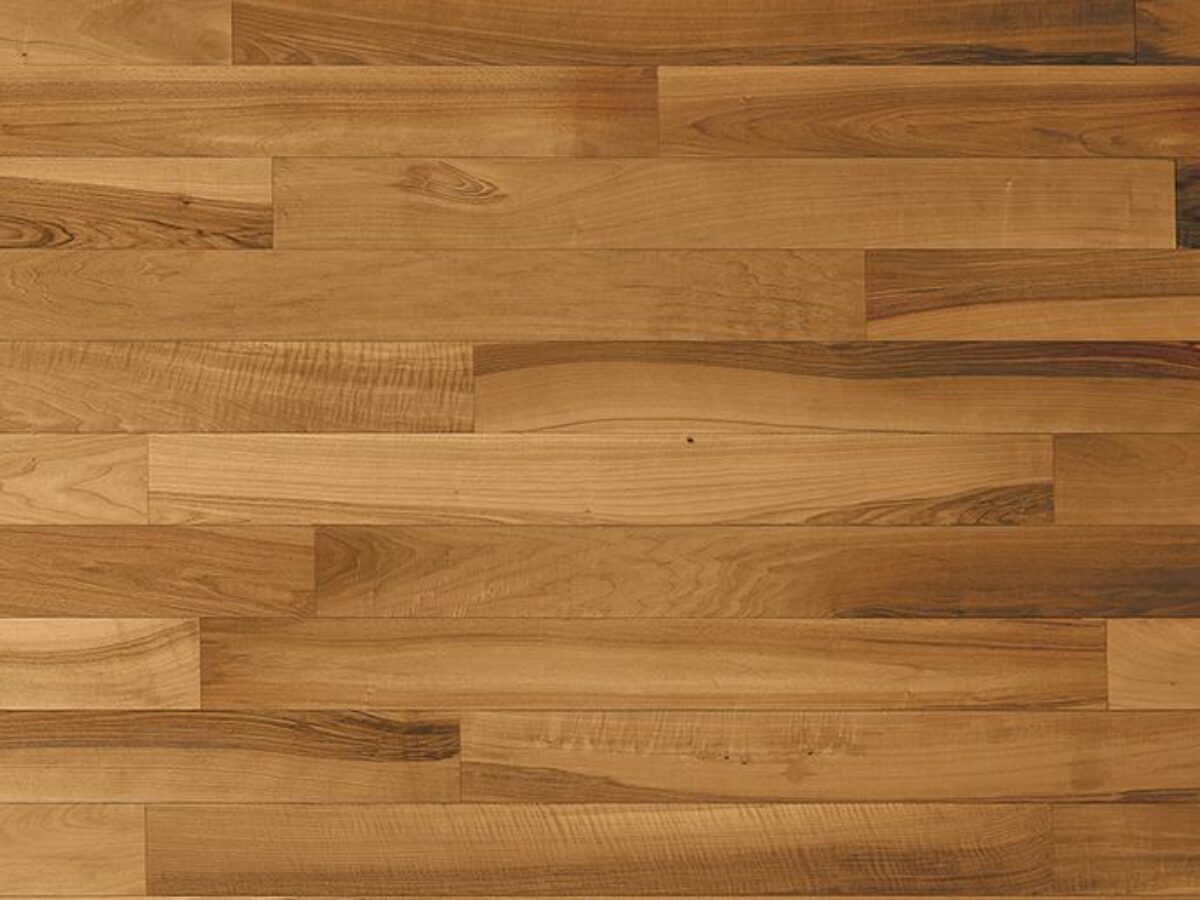

European walnut
European Standard UNI EN 13489 choice
Characteristics
Fine wood, it has a particularly pleasant structure to the touch with naturally wavy fibres, blond and brown veins typical of the essence, presence of knots up to 5 mm in diameter.
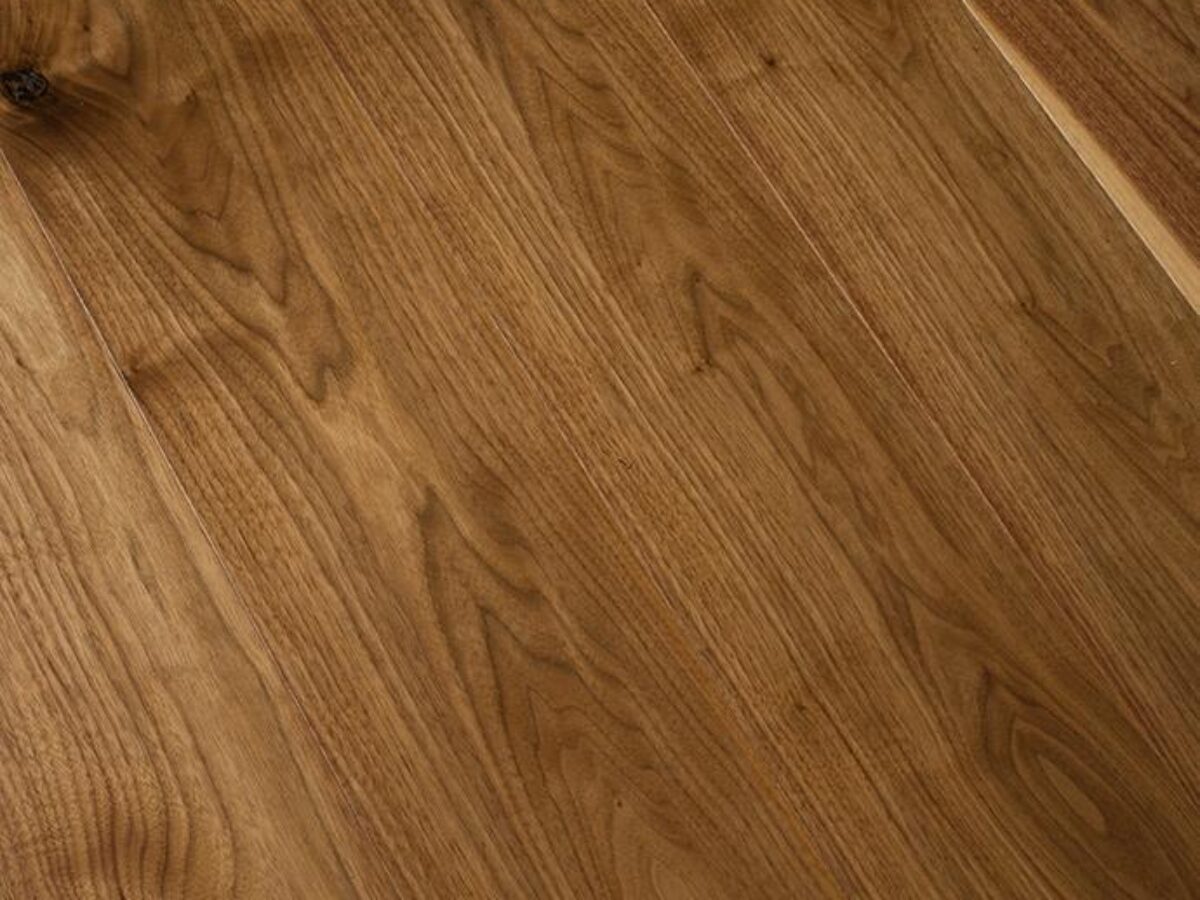
American walnut
European Standard UNI EN 13489 choice
Characteristics
Fine wood, it has a particularly elegant and modern structure, with naturally veined and marked fibres typical of the essence, presence of knots up to 5 mm in diameter and a light presence of sapwood.
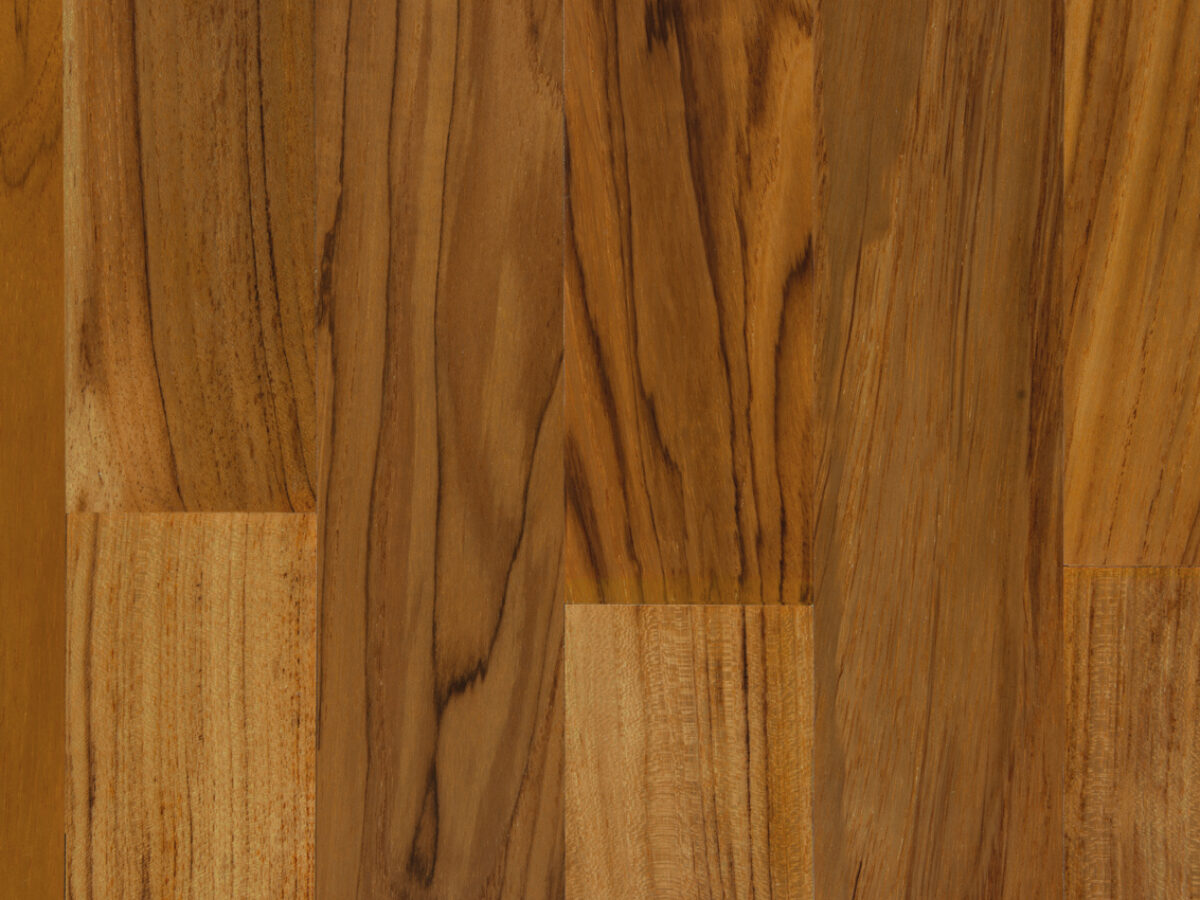

Teak Asia
European Standard UNI EN 13489 choice
Characteristics
Teak is a resistant wood, with a compact fiber, very well known for outdoor use, especially in the naval sector. It has an excellent capacity for durability, even in contact with water. It presents even strong chromatic variations immediately after installation which will tend to become uniform over time.


Doussiè-Africa
European Standard UNI EN 13489 choice
Characteristics
Very hard and resistant wood. It has a tortuous grain and a medium to coarse texture, with color tones ranging from brown to reddish to light yellow. Various grains, curved or snake-like flames, possible presence of silicon and some small knots. Equipped with good resistance to external stress, durability and stability are the main properties that characterize it.
Geographical area
Central and West Africa.
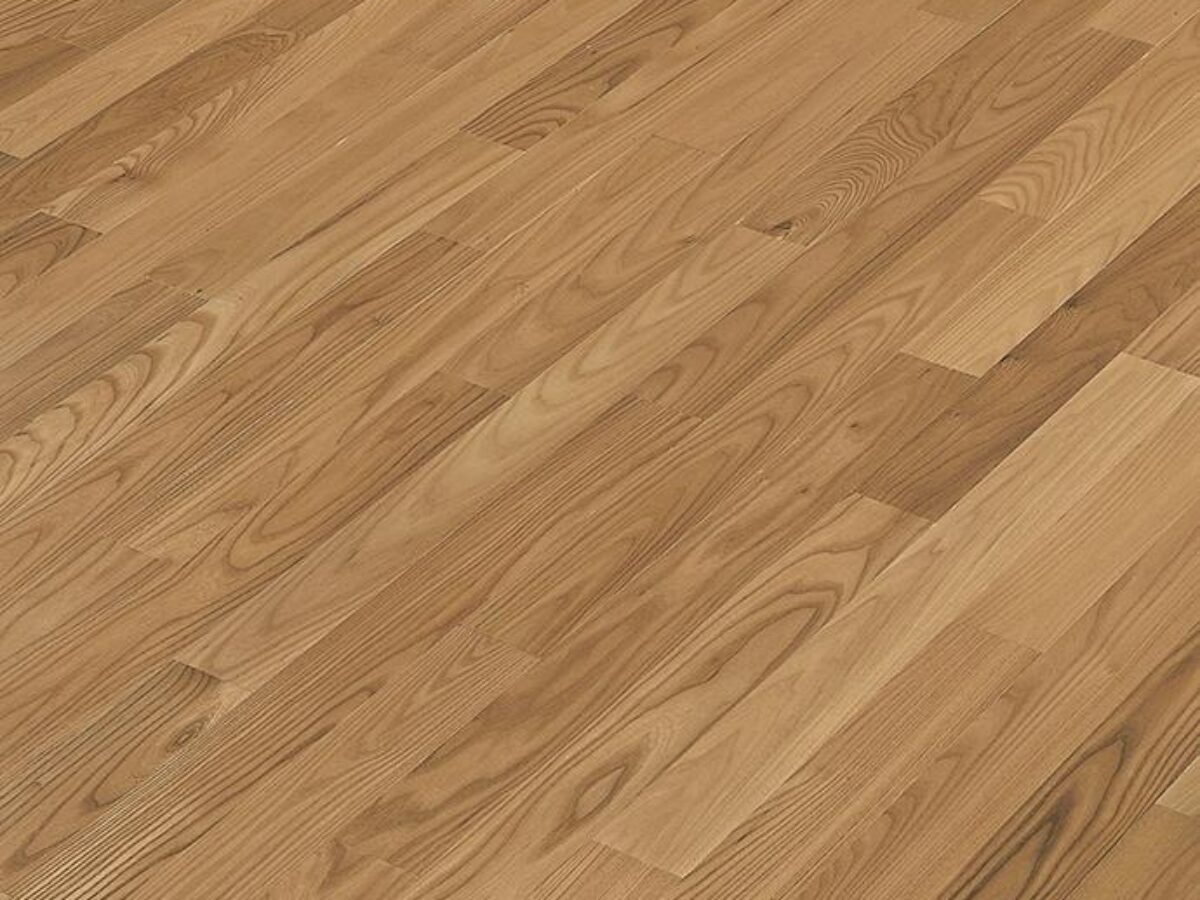

Characteristics
The wood has important and very flamed veins. Its typical color is light brown, yellow, olive green, reddish. The most important characteristic of the Elm is its fibrous and concatenated vein. The presence of small knots and light parts of sapwood is possible.

Characteristics
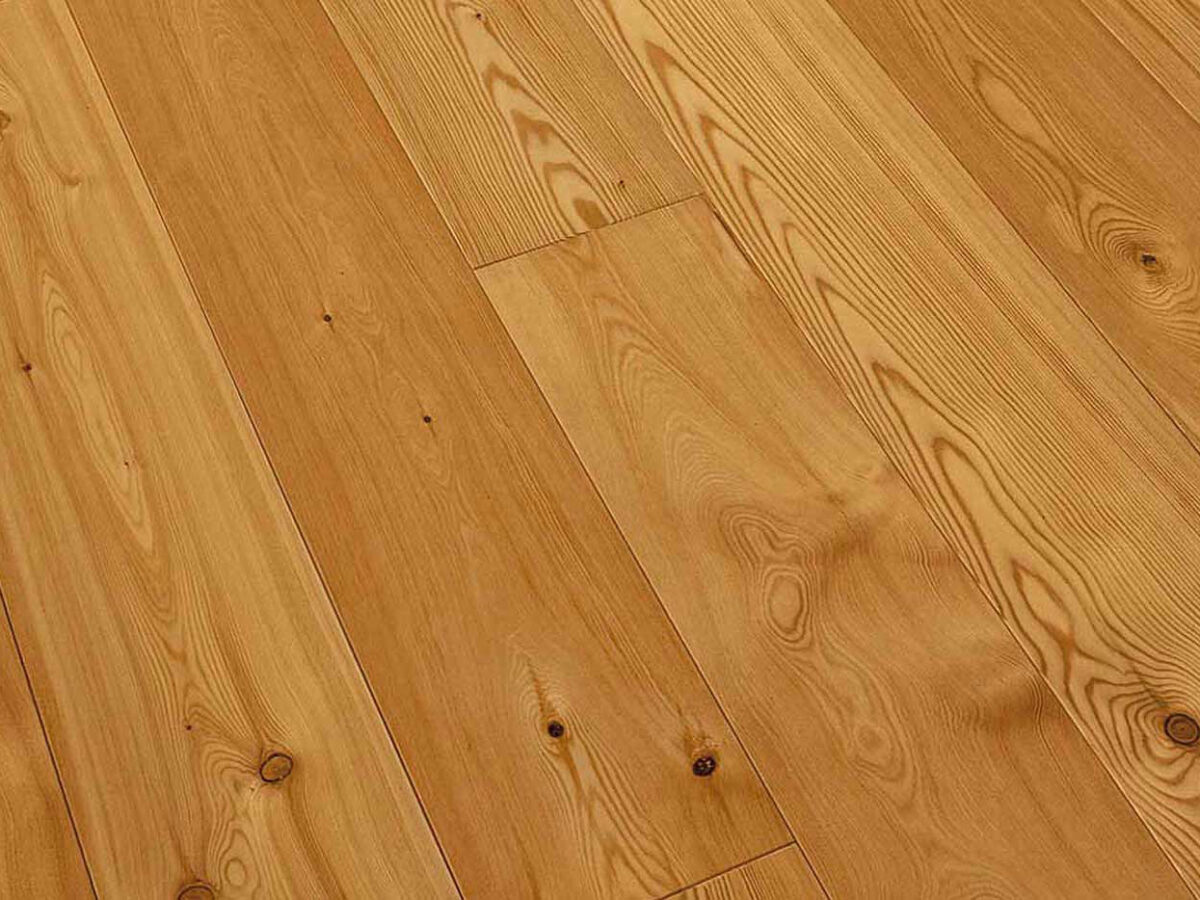
Varied grain, colour variations and knots of various sizes are characteristic of the species. The wood is very resinous and has a fine texture and straight grain. In its simplicity and in its availability to interesting finishes this wood finds space in the most diverse environments.
Geographical area
Very compact and robust, resistant to humidity, it is a typical tree of mountains and mixed forests (typical of the Alps and the Carpathians).

Characteristics
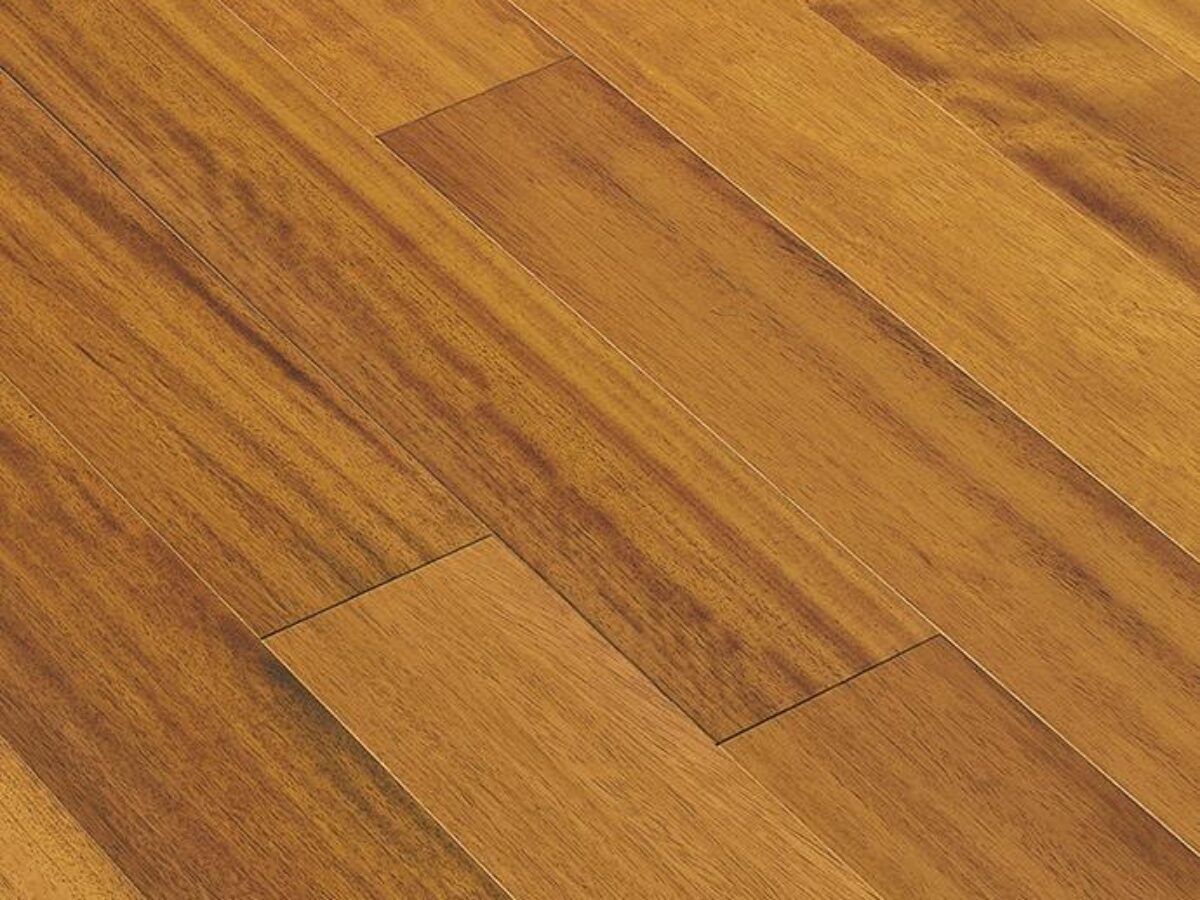
Medium hard wood, its barely visible grain is differentiated by light and dark golden brown tones. The color tone, initially light, turns with time towards a more evident and marked darkening due to natural oxidation. It can present variable grain, sporadic presence of silicon and some small knots.
Geographical area
Originating from the forests of equatorial Africa.
How do we treat Essences? Discover our Collections

2 Layers Maxi Formats

2 Layers Big Formats
